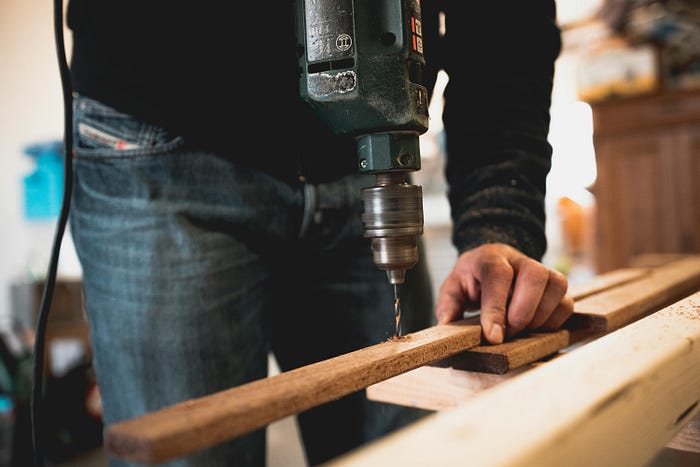

Embarking on a woodworking journey can be a fulfilling and rewarding experience. Whether you're drawn to the art of crafting furniture, creating intricate designs, or simply looking to unleash your creativity, woodworking is a timeless skill that welcomes beginners with open arms. In this comprehensive guide, we'll explore how to start woodworking from scratch, providing insights and tips for those with no prior experience.
- Understanding the Basics: Before diving into the practical aspects, it's crucial to understand the basics of woodworking. Familiarize yourself with essential woodworking terminology, tools, and materials. Research online or consider taking a beginner's woodworking class to gain foundational knowledge.
- Setting Up Your Workspace: Creating a dedicated workspace is vital for a successful woodworking journey. Start by designating a well-lit and ventilated area for your projects. Invest in a sturdy workbench and organize your tools for easy access. Keep safety in mind, and consider wearing protective gear such as safety glasses and ear protection.
- Acquiring Essential Tools: While it's tempting to buy an extensive array of tools, focus on acquiring the essentials to get started. Begin with basic hand tools like a saw, chisels, and a mallet. As you progress, you can gradually invest in power tools such as a drill, jigsaw, and router.
- Choosing Your First Project: Selecting the right project is crucial for beginners. Start with simple, small projects that allow you to practice fundamental woodworking skills. A wooden bookshelf, a small coffee table, or a simple birdhouse are excellent choices for your first woodworking endeavors.
- Learning Techniques and Joinery: Woodworking involves various techniques and joinery methods. Research and practice basic techniques like measuring, cutting, and sanding. Explore common joinery methods such as butt joints, dovetails, and mortise-and-tenon joints. Understanding these techniques will enhance the quality of your projects.
- Seeking Guidance: Don't hesitate to seek guidance from experienced woodworkers. Join local woodworking clubs or online communities where you can exchange ideas, seek advice, and learn from others' experiences. Woodworkers are often eager to share their knowledge and offer valuable insights to beginners.
- Embracing Mistakes and Iterating: Mistakes are an inevitable part of any learning process. Embrace them as opportunities to improve and refine your skills. Take the time to analyze what went wrong and how you can do better next time. Woodworking is a journey of continuous learning and improvement.
- Building Confidence Through Small Wins: Celebrate small victories along the way. Completing your first project, mastering a new technique, or overcoming a challenge are all reasons to feel proud. Building confidence through these small wins will keep you motivated and inspired to tackle more ambitious projects.
Starting your woodworking journey from scratch is an exciting endeavor that opens the door to a world of creativity and craftsmanship. By understanding the basics, setting up a dedicated workspace, acquiring essential tools, choosing the right projects, learning techniques, seeking guidance, and embracing mistakes, you'll be well on your way to becoming a skilled woodworker. Remember, patience and persistence are key as you embark on this fulfilling and rewarding adventure. Take the first step—start your woodworking journey now! Happy woodworking!
**affiliate link included**