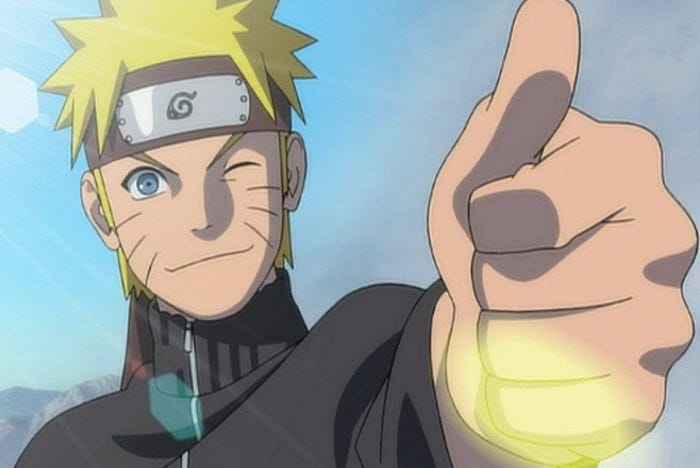
Anime, such as Naruto, can provide several benefits for people struggling with mental health:
Escapism
Imagine stepping through a portal into a realm where the ordinary rules of reality no longer apply. In anime, vibrant landscapes, dynamic characters, and epic adventures await.
For someone grappling with the weight of mental health challenges, this escape offers more than entertainment — it provides a temporary respite from anxiety, depression, or overwhelming emotions.
In these fantastical worlds, viewers can temporarily shed their burdens and immerse themselves in the characters' journeys, facing their struggles and triumphs.
Moreover, anime's creative storytelling and imaginative settings can inspire hope, resilience, and a sense of possibility. Engaging with these narratives, individuals with mental health issues may find moments of solace, catharsis, and empowerment.
It's a form of self-care that allows them to recharge and replenish their emotional reserves, helping them navigate the challenges of everyday life with renewed strength and perspective.
"Seeing similar circumstances play out on screen or the page can feel like being seen—confirmation that somebody 'gets' us," -Drea Letamendi.

2. Relatable Characters
In the hidden villages of the Naruto universe, beneath the veil of ninja prowess and epic battles, lie relatable struggles echoing the experiences of many battling mental illness in our world.
Gaara, the once feared and isolated Kazekage of the Sand Village, early years were marked by profound loneliness and ostracism. Born a Jinchuriki like Naruto, Gaara faced relentless persecution from his people, leading to a deep-seated fear of rejection and a spiral into darkness.
"Loneliness is not a constant. It is an emotion. And everyone who has ever lived will have felt it at some point." Gaara

Similarly, Hinata Hyuga, a character beloved for her gentle nature and inner strength, grapples with crippling self-esteem issues stemming from years of familial pressure and societal expectations. Her struggle with anxiety and self-doubt is palpable, yet it's through her journey of self-discovery and acceptance that she finds her place.
Then there's Shikamaru Nara, whose laid-back demeanor belies a mind plagued by the weight of responsibility and existential dread. Constantly burdened by the expectations placed upon him as the heir to the Nara clan, Shikamaru's struggle with depression and lethargy resonates with those who feel overwhelmed by the pressures of life.
Amidst these struggles, Naruto offers a beacon of hope. Through the bonds of friendship, mentorship, and shared adversity, characters like Gaara, Hinata, and Shikamaru find acceptance, belonging, and the courage to confront their inner demons. Their stories serve as a reminder that no matter how isolated or misunderstood one may feel, there is always hope for connection and understanding.
Finding characters who mirror their struggles, viewers battling mental illness can find solace in the knowledge they are not alone. Through the power of storytelling, Naruto not only entertains but also uplifts, offering a lifeline to those in need of empathy, understanding, and a glimmer of hope in the darkness.
Resilience and Perseverance
In the heart of every shinobi beats the indomitable spirit of resilience and perseverance, echoing the unwavering resolve of our beloved hero, Naruto Uzumaki. From his humble beginnings as the village outcast to his rise as the Hokage, Naruto's journey embodies the essence of never backing down, no matter the odds.
One of the most stirring examples of Naruto's resilience lies in his relentless pursuit of acceptance and belonging. Despite enduring years of rejection and ridicule, Naruto refuses to let bitterness consume him.
Instead, he channels his pain into fuel for growth, training tirelessly to prove his worth to himself and others. His journey is a testament to the transformative power of perseverance, showing that even the most arduous obstacles can be overcome with unwavering determination.
Another shining example of resilience in Naruto comes from the character of Rock Lee. Unable to perform ninjutsu or genjutsu, Lee faces mockery and ridicule from his peers. Yet, undeterred by his perceived limitations, Lee dedicates himself to taijutsu, honing his skills through sheer hard work and discipline. His unwavering perseverance earns his peers' respect but also showcases the boundless potential within each individual, waiting to be unleashed through persistence and determination.
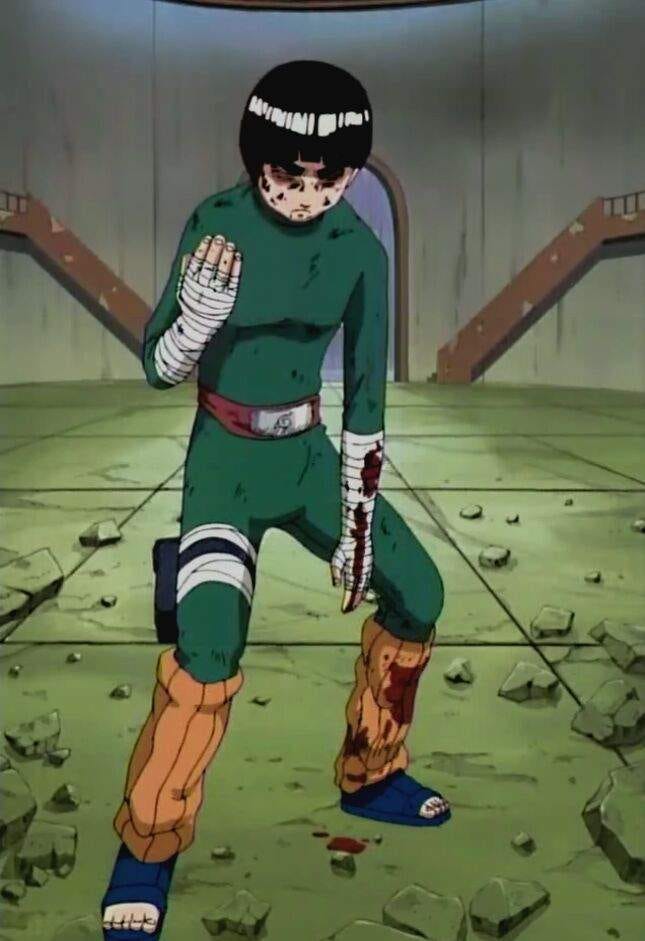
The trials and triumphs of characters like Naruto and Rock Lee deliver a powerful message of hope and inspiration. They teach us no matter how daunting the challenges may seem, resilience, perseverance, and the refusal to give up are the keys to overcoming adversity. In the words of Naruto himself, "I never give up! That's my ninja way!"
cathartic release
Imagine a moment frozen in time, where tears flow freely, and laughter echoes through the room. In anime, particularly in heartfelt series like Naruto, these emotionally charged scenes serve as more than just entertainment — they offer a haven for those grappling with mental health issues, providing a much-needed outlet for expression and release.
For individuals navigating the tumultuous landscape of mental illness, the journey can be overwhelming, filled with highs and lows that threaten to engulf them. Yet, within the pages of Naruto's story, there lies a sanctuary where emotions are acknowledged and embraced.
For instance, in the gut-wrenching scene, Naruto confronts his inner darkness in the form of his inner demon, the Nine-Tailed Fox. As he battles against the darkness within himself, viewers are invited to confront their inner demons, allowing for a cathartic release of pent-up emotions and fears.
Similarly, heartrending moments of loss and sacrifice, such as Jiraiya's death or the sacrifices made by characters like Itachi, provide a space for viewers to grieve and process their experiences of loss and pain. Through the tears shed for fictional characters, fans can find solace in the shared human experience of sorrow and resilience.
Moreover, moments of triumph, such as Naruto's eventual rise to the Hokage, inspire feelings of hope and empowerment in fans. Witnessing characters overcome seemingly insurmountable odds reminds individuals battling mental health issues of their inner strength and resilience, fostering a sense of optimism and determination
The cathartic release offered by emotionally charged scenes in anime like Naruto serves as a beacon of light in the darkness, offering comfort, healing, and validation to those in need. It's a reminder that it's okay to feel, cry, laugh, and heal — and sometimes, the greatest strength lies in vulnerability.

Inspiration for Self-Improvement
Naruto's journey is a testament to the power of perseverance, determination, and the refusal to give up in the face of adversity. Witnessing his growth and transformation, viewers are reminded that change is possible.
Naruto isn't just about mastering ninja techniques — it's about mastering yourself. Through his encounters with friends, mentors, and foes alike, Naruto learns valuable lessons about empathy, compassion, and the importance of forging meaningful connections with others. His journey serves as a roadmap for personal development, inspiring viewers to embrace their flaws and weaknesses as opportunities for growth rather than limitations.
Whether you're struggling with self-doubt, facing setbacks on your path to success, or simply seeking extra motivation to keep pushing forward, remember this: the spirit of Naruto lives within you.
Embrace your inner ninja, unleash your potential, and embark on your journey of self-improvement and personal development. Believe it!